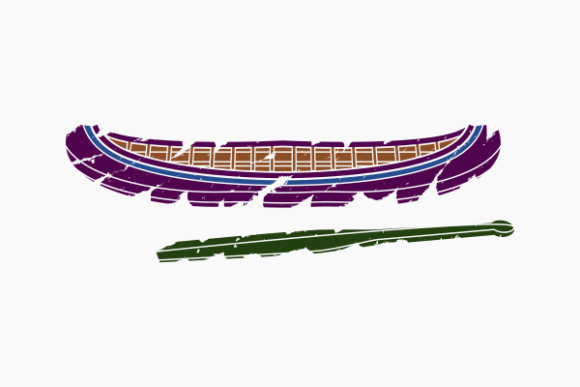
Brushed Native American Canoe and Paddle Review
As someone who has spent years turning digital files into tangible, stitched treasures for clients and my own shop, I approach every new embroidery design with a mix of excitement and skepticism. The market is flooded with generic shapes and overused motifs, so finding something that balances artistic flair with practical stitchability is rare. Today, I am evaluating the Brushed Native American Canoe and Paddle, an Illustrations category asset that promises a unique brushstroke aesthetic. My goal here is not just to describe the file, but to walk you through how this piece performs when it leaves the screen and lands on real fabric.
The First Impression: Mood and Visual Personality
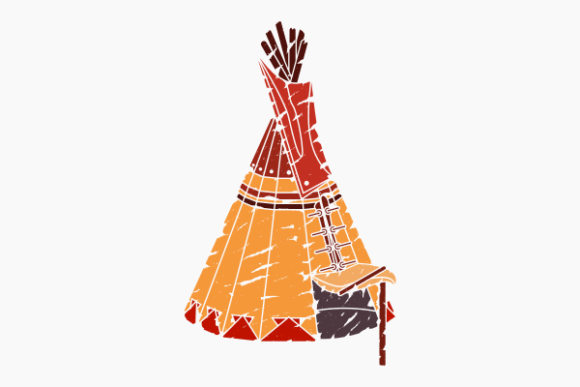
When you first open the vector file for the Brushed Native American Canoe and Paddle, the immediate takeaway is the texture. Unlike standard geometric icons or rigid clipart, this design embraces a hand-painted feel. The brush strokes give the canoe and paddle a sense of movement and history, evoking themes of traditional culture, transportation, and nature. It feels organic rather than manufactured.
This visual personality makes it stand out in a sea of generic outdoor gear designs. For an embroidery project intended to tell a story, this design works beautifully. It suggests a narrative of exploration and heritage without being overly literal or cluttered. The layout is balanced, allowing the eye to travel naturally from the curve of the hull to the angle of the paddle. It creates a mood that is both rustic and refined, perfect for brands or creators looking to add a touch of authenticity to their handmade product line.
Real-World Application: A Case Study in Custom Apparel
To truly understand the value of this design, I imagine a specific scenario: a small business owner preparing a custom order for a boutique outdoor retailer. They need a design for a limited-edition sweatshirt line celebrating local history. The client wants something that looks like it was painted by hand but needs the durability of machine embroidery.
I placed the Brushed Native American Canoe and Paddle on a mockup of a heavy cotton sweatshirt. The result was promising. The brush stroke style translates well into fill stitches, creating a textured look that mimics paint on canvas. Because the lines are fluid, they avoid the "blocky" appearance that often plagues digitized graphics. This design would elevate a simple tote bag design or a nursery decor item, making it feel like a premium, artisanal choice rather than a mass-produced sticker.
For an Etsy seller or craft fair vendor, this level of detail adds perceived value. Customers scanning a display at a holiday gift market will notice the difference between a standard logo and a design with this kind of artistic depth. The finished product carries a weight of professionalism that helps justify a higher price point. Whether used on a patch, an apron, or a pillow cover, the design commands attention without shouting.
Technical Performance and Stitch Clarity
However, the transition from vector to thread requires careful consideration. The brush stroke effect relies on varying line weights and soft edges. In the realm of machine embroidery design, these elements can sometimes get lost if the stitch density is too high or if the hoop size is too small. The design thrives when there is enough room for the stitches to breathe.
If you attempt to downsize this for a tiny baby embroidery project or a small cap logo, you risk losing the character of the brush strokes. The fine details might merge together, turning the elegant curves into muddy blobs. Therefore, I recommend reserving this embroidery file for medium to large applications where the texture can be appreciated. Think about a 5x7 hoop or larger, perhaps on a kitchen towel or a denim jacket, where the fabric provides a sturdy base for the intricate detailing.
The use of satin stitch versus fill stitch is critical here. The edges of the canoe likely benefit from a crisp satin border to define the shape, while the interior should utilize a fill stitch that follows the direction of the brush strokes. If the digitization does not account for this, the design may look flat. Always inspect the digital embroidery file closely to ensure the underlay is sufficient to prevent puckering, especially since the design covers a significant area relative to its width.
Where to Exercise Caution
While this design is versatile, it is not a one-size-fits-all solution. There are specific scenarios where the Brushed Native American Canoe and Paddle might struggle. Textured fabrics, such as thick terry cloth or bouclé, can obscure the finer details of the brush strokes. Similarly, thin or stretchy fabrics require a robust stabilizer system; without it, the tension required to create those smooth fills could cause the fabric to pucker around the curved hull of the canoe.
Dense stitch areas are another potential pitfall. If the design includes a lot of overlapping strokes, the resulting thickness might be too stiff for delicate items like baby clothes or lightweight tea towels. Additionally, dark fabrics can challenge the visibility of lighter thread colors unless you use a high-quality underlay or a specific color palette. Before committing to a full production run, always test the design on scrap fabric that matches your final material.
Impact on Brand and Customer Trust
In the world of craft business and commercial embroidery, consistency is key. Using a design like this signals to your customers that you care about aesthetics and quality. The Brushed Native American Canoe and Paddle aligns well with brands focused on sustainability, history, or outdoor lifestyles. It reinforces a brand identity that values tradition and craftsmanship.
For personalized gifts, this design offers a unique selling point. Imagine a couple's wedding gift featuring this motif on a blanket, symbolizing their journey together. The cultural resonance of the canoe adds emotional weight to the item, making it more than just a decorative object. However, it is crucial to respect the cultural context. Ensure that the usage aligns with the intended theme of traditional culture and history, avoiding any misrepresentation.
Practical Designer Notes for Success
Before you hit the start button on your machine, there are several technical steps to take. First, check the thread colors. The design's success often depends on contrast. A monochromatic scheme might lose the brush stroke definition, whereas a multi-color approach could bring the texture to life. Test your colorway in black and white mockups to see how the tonal values hold up.
Review the stitch density carefully. If the file is too dense, it will be difficult to sew and uncomfortable to wear. If it is too sparse, the design will lack impact. Confirm the hoop size requirements and ensure your stabilizer matches the fabric type. For woven fabrics, a cut-away stabilizer is usually best for permanence, while knit fabrics might require a tear-away or wash-away depending on the garment's stretch.
Finally, verify the licensing terms. Since this is a digital asset, confirm whether you are allowed to sell finished products made with the Brushed Native American Canoe and Paddle or if there are restrictions on commercial use. Always read the fine print regarding design assets to protect your business. If the file mentions using Inkscape or similar tools for editing, ensure you have the necessary software to adjust the vectors before converting them to your machine format.
In conclusion, the Brushed Native American Canoe and Paddle is a compelling addition to any designer's library. It offers a sophisticated alternative to standard icons, provided it is executed with the right technique and on the appropriate materials. With proper planning, this design can transform a simple piece of apparel into a statement of heritage and artistry.